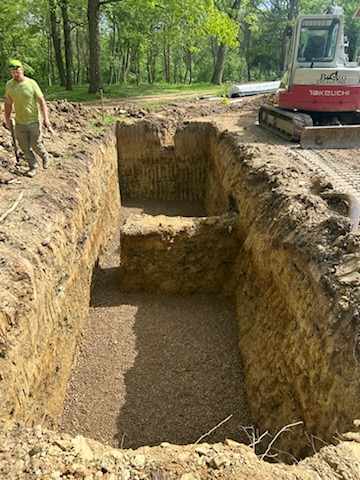
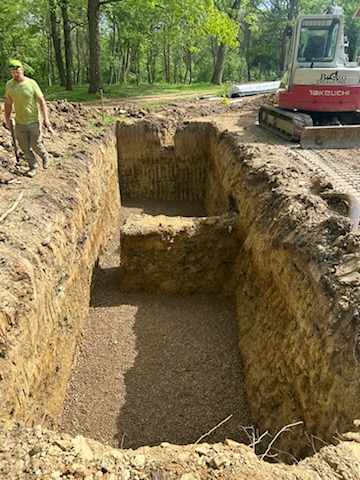
If you've recently received a quote for excavation work in Pittsburgh, you might have experienced a bit of sticker shock. Whether you're planning a septic installation, laying new utilities, or preparing your property for a major construction project, excavation costs can seem surprisingly high. But before you assume you're being overcharged, it's worth understanding what goes into these prices and why excavation work in our region comes with unique challenges that affect the bottom line.
As a Pittsburgh homeowner, you deserve to know exactly what you're paying for and why excavation services cost what they do. Let's dig into the real factors that influence excavation pricing in our area and help you understand the value behind those numbers.
Pittsburgh's Challenging Terrain and Geology
Anyone who's lived in Pittsburgh for any length of time knows our landscape is anything but flat and simple. Our region's distinctive topography, with its rolling hills, steep slopes, and river valleys, creates immediate challenges for any excavating contractor. What might be a straightforward dig in flatter regions becomes a complex engineering challenge here.
The geology beneath our feet adds another layer of complexity. Pittsburgh sits on layers of sedimentary rock, including sandstone, shale, and limestone. While these geological features are fascinating from a historical perspective, they can turn a routine excavation into a time-intensive, equipment-heavy operation. When your excavator hits a layer of Pittsburgh's famous bedrock, specialized equipment and techniques become necessary, and that specialized work naturally costs more.
Clay-heavy soils are common throughout Allegheny County and the surrounding areas. These soils don't drain well and can become unstable when wet, requiring additional safety measures, soil stabilization techniques, and sometimes even dewatering systems to complete the work safely and effectively. An excavating contractor working in Pittsburgh needs to account for these conditions when providing estimates, because the ground conditions here simply demand more time, expertise, and equipment than easier terrain elsewhere.
Equipment Costs Are Substantial and Growing
The machinery required for professional excavation work represents a massive investment. Modern excavators, bulldozers, backhoes, and specialized equipment can each cost hundreds of thousands of dollars to purchase. But the initial purchase price is just the beginning of the expense story.
These machines require constant maintenance to operate safely and efficiently. Regular servicing, replacement parts, hydraulic fluid, filters, and preventive maintenance add up quickly. When a critical component fails, replacement parts for heavy equipment aren't available at your local auto parts store. These are specialized, often expensive components that may need to be ordered and shipped, potentially causing project delays.
Fuel costs represent another significant ongoing expense. Heavy excavation equipment consumes diesel fuel at remarkable rates, and fuel prices fluctuate based on market conditions. A single excavator can burn through dozens of gallons of diesel in a day of hard work, and when you're operating multiple pieces of equipment on a job site, those costs multiply rapidly.
Insurance and liability coverage for heavy equipment operation is substantial. The risks associated with operating multi-ton machinery require comprehensive insurance policies that protect both the workers and the property owners. These policies aren't cheap, but they're absolutely essential for legitimate, professional excavation services.
Skilled Labor Comes at a Premium
Operating excavation equipment isn't something you learn overnight. Experienced operators develop their skills over years, learning to read the terrain, understand soil conditions, and manage the delicate controls that prevent damage to underground utilities, nearby structures, and the landscape itself. In Pittsburgh's challenging terrain, that experience becomes even more valuable.
Heavy equipment operators who truly know what they're doing command competitive wages because their skills are in demand. A skilled operator can complete work more efficiently, with better results and fewer complications than someone less experienced. They can identify potential problems before they become expensive mistakes and adjust their approach based on changing conditions.
Beyond the operators themselves, excavation projects require additional crew members for safety, efficiency, and proper project management. These team members handle everything from site preparation and traffic control to grading and finishing work. Each person on the crew represents a cost, but they also represent the difference between a professional job and a problematic one.
Regulatory Requirements and Permitting
Pittsburgh and surrounding municipalities have specific regulations governing excavation work, and compliance isn't optional. Before any digging begins, contractors must navigate a permitting process that ensures the work meets local codes and safety standards. Permit fees themselves add to project costs, but the time invested in obtaining proper permits and ensuring compliance represents a real business expense that gets factored into pricing.
Pennsylvania's One Call system requires contractors to have underground utilities marked before any excavation begins. This free service protects everyone involved, but coordinating with utility companies, waiting for marking to be completed, and carefully working around identified utilities adds time to every project. When unexpected utility lines are discovered, projects can experience delays while additional marking and coordination takes place.
Environmental regulations also play a role, particularly for larger excavation projects or work near waterways. Storm water management requirements, erosion control measures, and environmental protection protocols all require planning, materials, and implementation time. These aren't unnecessary bureaucratic hurdles; they protect our rivers, streams, and groundwater from contamination and erosion damage.
Site-Specific Challenges Add Complexity
Every property is different, and those differences directly impact excavation costs. Access to your property matters significantly. A home on a spacious lot with easy street access presents far fewer logistical challenges than a property tucked into a hillside neighborhood with narrow streets, tight corners, and limited space for equipment maneuvering.
Sometimes standard excavation equipment simply cannot reach the work area. In these situations, contractors must bring in smaller, more maneuverable machines that work more slowly, or find creative solutions to access challenges. Either approach increases the time and cost of the project. Local professionals familiar with Pittsburgh's diverse neighborhoods understand these challenges and factor them into their planning and pricing.
Existing structures, landscaping, and utilities on your property also influence costs. Working carefully around your home's foundation, preserving mature trees, protecting your lawn, or navigating a yard full of underground utility lines requires patience, precision, and often additional time. Protecting your property while completing the necessary excavation work is a priority for reputable contractors, but that care requires resources.
Septic Installation: A Specialized Excavation Service
For homes outside municipal sewer service areas, septic installation represents one of the most common reasons homeowners need excavation services. However, not all excavation work is created equal, and septic installation involves specific requirements that affect pricing.
Septic systems must be installed according to strict regulations that dictate everything from depth and spacing to soil composition and drainage characteristics. The Pennsylvania Department of Environmental Protection oversees septic system regulations, and local health departments enforce additional requirements. Meeting these standards requires knowledge, precision, and often soil testing to ensure the installation location is appropriate.
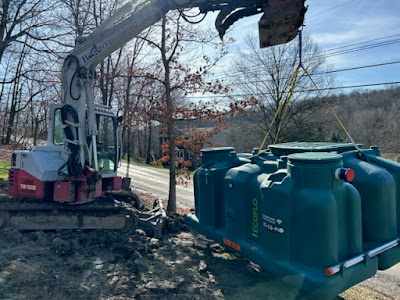
The excavation for a septic system isn't just about digging a hole. The drain field requires careful grading to ensure proper drainage, the tank must be positioned at specific depths and angles, and the entire system must be installed with consideration for groundwater levels, soil percolation rates, and distance from water sources. When you learn more about what goes into a proper septic installation, the pricing begins to make more sense.
Soil conditions discovered during excavation can require modifications to the planned system. If the soil doesn't percolate properly, alternative drain field designs or additional engineering may be necessary. These aren't profit-padding extras; they're essential adaptations that ensure your septic system will function properly for decades to come.
Utility Work Requires Precision and Expertise
Whether you're having utilities installed for a new construction project, upgrading existing utility connections, or dealing with utility repairs, excavation for utilities demands particular care and expertise. The consequences of damaging existing utility lines range from service disruptions and repair costs to serious safety hazards like gas leaks or electrical dangers.
Utility trenching must meet specific depth requirements for different types of service lines. Water lines must be buried below the frost line to prevent freezing. Electrical and telecommunications lines have their own depth and separation requirements. Gas lines require special attention to safety protocols. An excavating contractor handling utility work must understand and follow all these requirements.
Coordination with utility companies often extends project timelines. Scheduling inspections, waiting for permanent service connections, and ensuring all work meets utility company standards adds time to utility installation projects. While this coordination might seem like it's slowing things down, it ensures your utility services will be properly connected and safely functioning.
The Hidden Value in Professional Excavation
When you look at the total cost of excavation work, it's natural to focus on the price tag. However, professional excavation provides value that extends far beyond the immediate project. Proper excavation prevents future problems, protects your property investment, and ensures work is completed safely and to code.
Amateur or cut-rate excavation can lead to expensive problems down the road. Improperly compacted fill settles over time, causing foundation problems, drainage issues, or pavement failure. Incorrectly installed septic systems fail prematurely, requiring expensive repairs or complete replacement. Damaged utility lines create immediate problems and long-term liabilities. The lowest price isn't always the best value when the work needs to be redone correctly later.
Professional excavating contractors carry proper insurance and licensing, protecting you from liability if accidents occur on your property. They understand local regulations and ensure work is completed to code, which matters when you sell your property or if issues arise later. They have relationships with local inspectors and utility companies that help projects proceed smoothly.
Seasonal Factors and Weather Considerations
Pittsburgh's four-season climate affects excavation work and pricing throughout the year. Winter excavation is possible but comes with challenges that can increase costs. Frozen ground is harder to excavate, requiring more time and putting additional wear on equipment. Cold weather can affect concrete curing for septic tank installation and may require special measures to ensure proper installation.
Spring's wet conditions create their own challenges. Heavy rain and saturated soil can make excavation sites muddy and unstable, sometimes requiring dewatering efforts or waiting for conditions to improve. While these delays might be frustrating, attempting to work in unsuitable conditions can compromise the quality and safety of the project.
Summer and fall often provide the best conditions for excavation work, and demand for excavation services typically peaks during these seasons. Higher demand can affect scheduling and, in some cases, pricing. Planning your excavation project with seasonal considerations in mind can sometimes provide more flexibility and potentially better scheduling options.
Transportation and Mobilization Costs
Getting heavy equipment to your job site isn't a simple matter of driving it down the road. Large excavators and other heavy machinery often require specialized trailers and transportation equipment. The cost of transporting equipment to and from your property, sometimes called mobilization, is a real expense that factors into project pricing.
For smaller projects, contractors sometimes face an efficiency challenge. The cost of bringing equipment to the site, setting up, completing a small amount of work, and then demobilizing can represent a disproportionate expense relative to the actual digging time. This is why some contractors have minimum charges or why small excavation jobs might seem expensive relative to their scope.
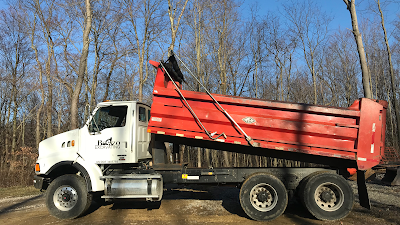
Dump fees for removing excavated material also contribute to project costs. Not all soil can remain on-site, and disposing of excess material at approved facilities involves both transportation costs and tipping fees. When excavation encounters contaminated soil or unsuitable material that requires special disposal, these costs can increase significantly.
Why Working with Bonzo Excavating Makes Sense
At Bonzo Excavating, we understand that excavation costs can seem high, and we believe in being transparent about why our pricing reflects the true value of professional excavation services. Serving the Pittsburgh area, we've developed deep familiarity with the unique challenges our region presents, from navigating steep hillside properties to working with our area's complex geology.
Our experience with septic installation ensures your system is installed correctly the first time, meeting all regulatory requirements and designed to function reliably for decades. We understand Pittsburgh's soil conditions, drainage challenges, and local permitting requirements, bringing that knowledge to every project we undertake.
When it comes to utilities and general excavating contractor services, we invest in maintaining modern, well-serviced equipment and employ skilled operators who understand how to work efficiently while protecting your property. We carry comprehensive insurance, obtain all necessary permits, and coordinate with local utilities to ensure every aspect of your project is handled professionally.
We're not the cheapest option in Pittsburgh, and we're honest about that. We're the professional option that delivers value through quality work, reliable service, and the peace of mind that comes from knowing your excavation project is being handled correctly. You can reach us at 724-544-4979 to discuss your excavation needs and receive a detailed, transparent quote for your project.
Making Informed Decisions About Excavation Costs
Understanding why excavation work costs what it does helps you make better decisions about your project. When comparing quotes from different contractors, looking beyond the bottom-line price to understand what's included can reveal important differences in value and quality.
Ask potential contractors about their experience with projects similar to yours, their approach to handling unexpected challenges, and what their pricing includes. A detailed quote that breaks down costs and clearly explains the scope of work is more valuable than a rough estimate that leaves important details uncertain.
Verify that contractors carry proper insurance and licensing. In Pennsylvania, reputable excavation contractors should be able to provide proof of liability insurance and workers' compensation coverage. Don't hesitate to ask about these protections; they're fundamental to working with legitimate professionals.
Consider the long-term implications of your excavation work. Properly installed septic systems, correctly placed utilities, and quality excavation that protects your property's drainage and stability provide value for years to come. The slightly higher cost of professional work often proves to be a wise investment compared to dealing with problems that arise from cut-rate excavation.
Final Thoughts
Excavation work in Pittsburgh, PA is expensive because it requires specialized equipment, skilled operators, regulatory compliance, and careful attention to our region's unique challenges. From our hilly terrain and complex geology to our regulatory requirements and seasonal weather considerations, multiple factors contribute to the real costs of professional excavation services.
While it's natural to look for ways to save money on home improvement projects, excavation is one area where choosing quality professional service delivers genuine long-term value. The difference between amateur excavation and professional work becomes apparent not just in the immediate results, but in how well the work holds up over time and whether it creates or prevents future problems.
At Bonzo Excavating, we're committed to providing Pittsburgh-area homeowners with honest, professional excavation services that deliver real value. We believe in transparent pricing, quality workmanship, and treating every property with the care and respect it deserves. When you're ready to discuss your excavation project, we're here to provide the expertise and service you need to move forward with confidence.
Get In Touch Today
Bonzo Excavating
945 Route 68, New Brighton PA 15066
724-544-4979
Write a comment ...